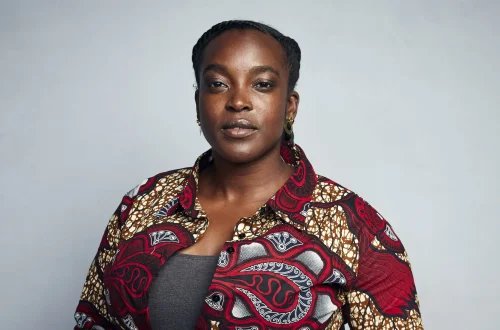
Elizabeth Ann Smart is an American child-abduction survivor, author, public speaker, and internationally recognized advocate for child safety, survivor empowerment, and crime prevention. After surviving a highly publicized kidnapping in 2002, she transformed personal trauma into lifelong advocacy, becoming one of the most influential voices for victims’ rights and resilience.
Early Life and Family
Elizabeth Smart was born on November 3, 1987, in Salt Lake City, Utah, USA. She was raised in a close-knit family with strong values centered on education, music, and community involvement. From an early age, Elizabeth showed a passion for music and excelled as a harpist.
Her life changed dramatically during her teenage years following a violent crime that drew national and international attention.
The Kidnapping Case (2002–2003)
In June 2002, Elizabeth Smart was abducted from her bedroom at age 14. She was held captive for nine months before being recovered alive in March 2003.
The case became one of the most widely covered child-abduction investigations in U.S. history. Her recovery was met with widespread public relief and admiration, and it later played a significant role in shaping public understanding of victim survival and trauma.
Life After Recovery
After returning home, Elizabeth Smart focused on healing, education, and reclaiming her life. She chose not to remain silent about her experience, eventually deciding to speak publicly to help others.
Her courage in sharing her story challenged harmful myths about victimhood and emphasized that survival is not defined by circumstances, but by resilience.
Education
Elizabeth Smart pursued higher education and earned a degree in music with an emphasis on harp performance. Her academic journey reflected her commitment to rebuilding her life on her own terms and maintaining passions that existed before her trauma.
Advocacy and Public Speaking
Elizabeth Smart became a powerful advocate for:
Child safety education
Survivor empowerment
Crime prevention and awareness
Trauma-informed public policy
She has spoken at:
Schools and universities
Law-enforcement conferences
Government and international forums
Her speeches focus on prevention, recovery, and the importance of believing and supporting survivors.
Elizabeth Smart Foundation
Elizabeth founded the Elizabeth Smart Foundation, a nonprofit organization dedicated to:
Preventing sexual exploitation and abuse
Empowering survivors
Educating communities and institutions
The foundation works with schools, families, and policymakers to promote practical safety strategies and survivor-centered responses.
Author and Media Work
Elizabeth Smart is also a published author. Her books share her personal journey while offering hope and guidance to survivors and families.
She has appeared in documentaries, television programs, and news features, using media platforms responsibly to educate rather than sensationalize trauma.
Personal Life
Elizabeth Smart is married and is a mother. She has spoken openly about building a healthy family life after trauma, emphasizing that recovery is possible and that survivors can lead full, joyful lives.
She continues to balance advocacy work with family and personal well-being.
Awards and Recognition
Elizabeth Smart has received numerous honors for her advocacy and courage, including:
National and international human-rights recognition
Awards for victim advocacy and public service
Commendations from law-enforcement and child-protection organizations
She is widely regarded as a role model for resilience and ethical advocacy.
Elizabeth Smart – Quick Facts
| Category | Details |
|---|---|
| Full Name | Elizabeth Ann Smart |
| Date of Birth | November 3, 1987 |
| Birthplace | Salt Lake City, Utah, USA |
| Nationality | American |
| Profession | Author, Activist, Public Speaker |
| Known For | Child-abduction survivor advocacy |
| Organization | Elizabeth Smart Foundation |
| Education | Degree in Music |
| Advocacy Focus | Child safety, survivor empowerment |
Conclusion
Elizabeth Smart’s life story is a powerful testament to human resilience, courage, and purpose. Rather than being defined by tragedy, she chose to redefine the narrative—becoming a global advocate for safety, dignity, and survivor-centered change. Her work continues to protect children, support survivors, and educate communities worldwide.