1. Introduction
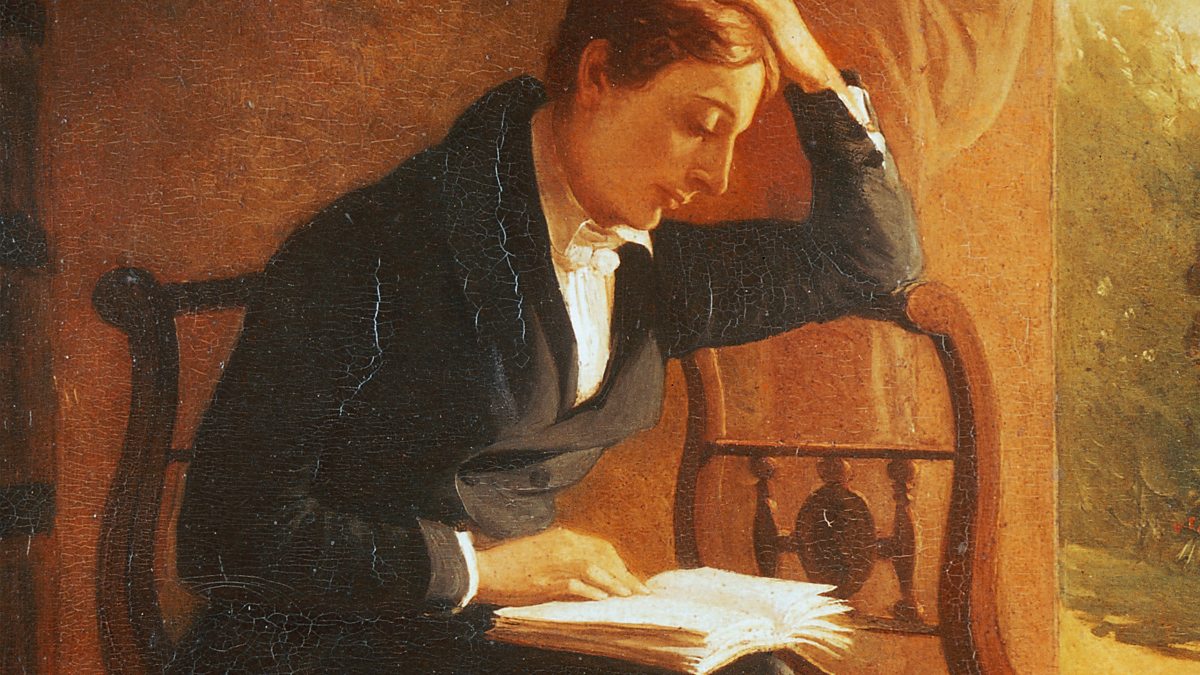
John Keats (1795–1821) was one of the most beloved and influential poets of the English Romantic movement. Though he lived only 25 years, his poetry achieved immortality. Known for his deep emotional intensity, rich imagery, and exploration of beauty and mortality, Keats’s work continues to inspire readers across the world.
His famous quote — “A thing of beauty is a joy forever” — perfectly reflects his vision of art and life.
2. John Keats Wiki / Bio
| Attribute | Details |
|---|---|
| Full Name | John Keats |
| Date of Birth | 31 October 1795 |
| Place of Birth | London, England |
| Date of Death | 23 February 1821 |
| Age (at death) | 25 Years |
| Nationality | British |
| Profession | Poet |
| Movement | Romanticism |
| Famous For | Sensuous imagery, odes, and reflections on beauty and mortality |
| Education | Studied at Enfield Academy; Trained as a surgeon before becoming a poet |
| Religion / Belief | Humanist with spiritual leanings |
| Marital Status | Unmarried |
| Fiancée | Fanny Brawne |
| Death Place | Rome, Italy |
| Cause of Death | Tuberculosis (Consumption) |
3. Early Life & Education
John Keats was born on 31 October 1795 in London to Thomas and Frances Keats. His father, a stable keeper, died when John was just 8 years old, and his mother passed away a few years later.
Raised by his grandmother, Keats attended Enfield Academy, where he discovered his love for literature and classical studies. Although he trained as a surgeon and apothecary, his heart was drawn to poetry. By his early twenties, he decided to dedicate himself fully to writing.
4. Literary Career
🌿 Early Writing Years
Keats began writing poetry in 1814. His early works were inspired by classical mythology, nature, and romantic ideals. In 1817, he published his first volume of poems simply titled Poems by John Keats. Though it received little attention, it marked the beginning of a short but powerful literary career.
✒️ Major Works
Keats’s most productive period was between 1818–1820, during which he wrote some of the finest poetry in English literature, including:
Ode to a Nightingale
Ode on a Grecian Urn
Ode to Autumn
La Belle Dame sans Merci
Endymion
Hyperion
His work explored the contrast between beauty and decay, life and death, and the eternal power of art.
📚 Famous Quote
“Beauty is truth, truth beauty,—that is all
Ye know on earth, and all ye need to know.”
(Ode on a Grecian Urn)
Despite early criticism, Keats’s poems later became recognized as masterpieces of English Romanticism.
5. Personal Life & Love
Keats fell deeply in love with Fanny Brawne, his neighbor in Hampstead. Their relationship was passionate yet tragic. Financial struggles and his worsening health due to tuberculosis kept them apart. Keats’s letters to Fanny reveal his emotional depth and vulnerability, becoming some of the most touching love letters ever written.
6. Illness & Death
By 1820, Keats’s health had severely declined due to tuberculosis, the same disease that had taken his mother and brother. On medical advice, he moved to Rome, Italy, hoping the warmer climate would help. Unfortunately, he passed away on 23 February 1821, at just 25 years old.
He was buried in the Protestant Cemetery in Rome, where his tombstone reads:
“Here lies one whose name was writ in water.”
This epitaph reflects both his humility and his belief that he might be forgotten — though history proved otherwise.
7. Writing Style & Themes
John Keats’s poetry is celebrated for its sensuous imagery, musical rhythm, and emotional depth.
Key Themes:
Beauty and Mortality – Life’s fleeting nature and the permanence of art.
Love and Desire – Emotional and spiritual passion.
Nature and Imagination – The harmony between nature and human feeling.
Dream vs. Reality – The conflict between idealism and suffering.
His mastery of language and rhythm makes his poems eternally fresh and moving.
8. Legacy & Influence
Although Keats died young, his influence on literature is profound. Along with Lord Byron and Percy Bysshe Shelley, he became one of the three pillars of English Romanticism.
Writers, artists, and musicians across generations — from T.S. Eliot to Jorge Luis Borges — have admired his vision of beauty and truth. Today, Keats’s work is studied worldwide for its lyrical brilliance and emotional honesty.
9. Famous Works by John Keats
| Year | Work | Type |
|---|---|---|
| 1817 | Poems by John Keats | Collection |
| 1818 | Endymion | Epic Poem |
| 1819 | Ode to a Nightingale | Ode |
| 1819 | Ode on a Grecian Urn | Ode |
| 1819 | Ode to Autumn | Ode |
| 1820 | Lamia, Isabella, The Eve of St. Agnes, and Other Poems | Collection |
| 1820 | La Belle Dame sans Merci | Ballad |
10. Life Lessons from John Keats
Art is eternal, life is fleeting.
Suffering can create beauty.
Follow your passion, even against the odds.
Find joy in simple things — beauty lies everywhere.
Stay true to your vision, not public opinion.
11. Conclusion
John Keats’s life was short, but his poetry remains timeless. Through his words, he taught the world to see beauty in transience and truth in emotion. His dedication to art and his ability to transform pain into poetry make him one of the greatest poets in literary history.
Even centuries later, John Keats continues to remind us that while life fades, art and beauty live forever.
12. FAQs
Q1. Who was John Keats?
He was a famous English Romantic poet known for his sensuous and emotional poetry.
Q2. What are John Keats’s most famous poems?
Some of his most famous poems are Ode to a Nightingale, Ode on a Grecian Urn, and To Autumn.
Q3. How did John Keats die?
He died of tuberculosis at the age of 25 in Rome, Italy.
Q4. Why is John Keats famous?
For his deep exploration of beauty, love, and mortality through powerful imagery and lyrical language.
Q5. What is the main theme of Keats’s poetry?
The celebration of beauty, art, and the eternal nature of truth amidst the brevity of human life.